About the brand
Crayola crayons were invented in 1903 by the Binney & Smith Company of Easton, Pennsylvania, using paraffin wax and nontoxic pigments to make a coloring stick that was safe, sturdy, and affordable. The name “Crayola” was coined by Alice Binney, wife of co-founder Edwin Binney, from “craie” (French for chalk) and “oleaginous” (oily); the first box of eight crayons sold in 1903 for a nickel. Binney & Smith became a wholly owned subsidiary of Hallmark Cards in 1984 and changed its corporate name to Crayola LLC in 2007. Sources: Smithsonian Crayola history, Strong Museum crayon history.
What the brand publishes
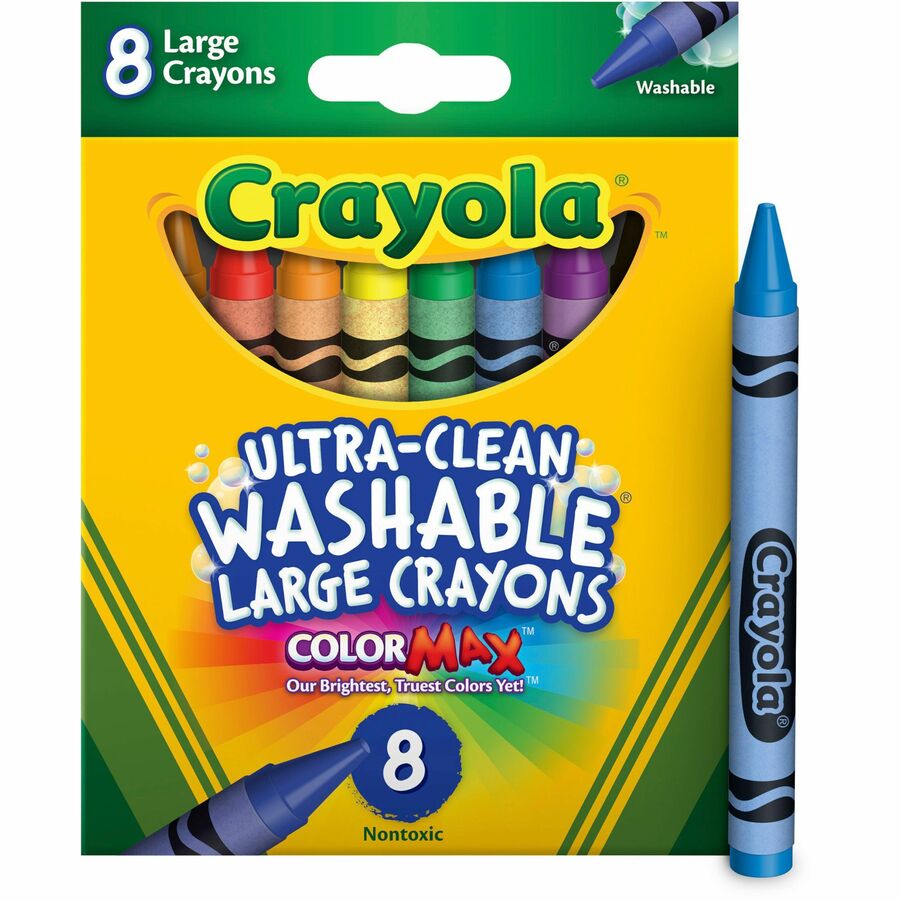
Crayola's brand-wide safety evidence is packaging copy, not a described testing program: “ACMI AP: Art & Creative Materials Institute certified. Conforms to ASTM D 4236. All Crayola art materials are nontoxic.” That wording appears on packaging across Crayola art materials, so it covers the crayon class, but no testing program, testing frequency, or lab was found from Crayola itself, and the listed crayons' own product page states only “SAFE AND NONTOXIC” without naming a standard. ACMI is a certification program, not a named testing laboratory.
The honest caveats
No Crayola art-material recall; licensee products excluded
No recall of a Crayola-manufactured crayon or art material was found in this research pass. CPSC recalls under the Crayola name that did surface involved licensees' products made by other firms — magnetic cubes, toddler boots, helmets — not Crayola art materials, and none affects the listed crayons.